
Healing the Wounded You Within
Author: Carlton D. Pearson
Genre: Religion / Psychology / Self-Help / Spirituality
Publisher: Harrison House
Publication Year: 1995
Pages: 64
Format: Paperback
Language: English
ISBN: 978-0892748884
Rating: ★★★★☆

Healing the Wounded You Within Video
Healing the Wounded You Within: Publication and Author
Release Information and Publisher
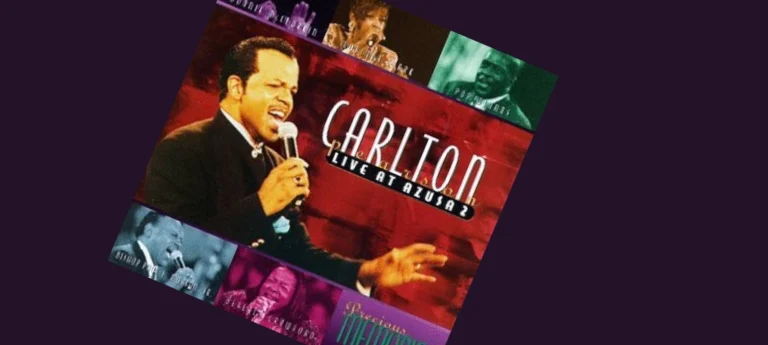
Carlton Pearson’s pastoral and loving book, “Healing the Wounded You Within,” was published during the early-to-mid 1990s. This book emerged during a period when the “inner healing” movement was picking up quite a bit of speed within Charismatic and evangelical circles. It showed another side of Pearson’s ministry, beyond the grand-scale, corporate worship of his Azusa conferences to the intimate, personal sphere of the individual human heart. The book presented him as a spiritual counselor, offering a faith-based response to coping with deep-seated emotional pain.
Type: Book on Psychology, Self-Help, and Spirituality
The book is an inspiring blend of pastoral theology, Christian psychology, and spiritual self-help. It operates in the intersection of spirituality and mental health, a distinctly spiritualized approach to what has commonly been the domain of secular therapy. It is a step-by-step, do-it-yourself book intended to lead the reader through a journey of self-discovery and emotional repair. The book is a workbook for the soul, providing individuals with prayers, meditations, and biblical instruction to heal old wounds.
By Carlton D. Pearson
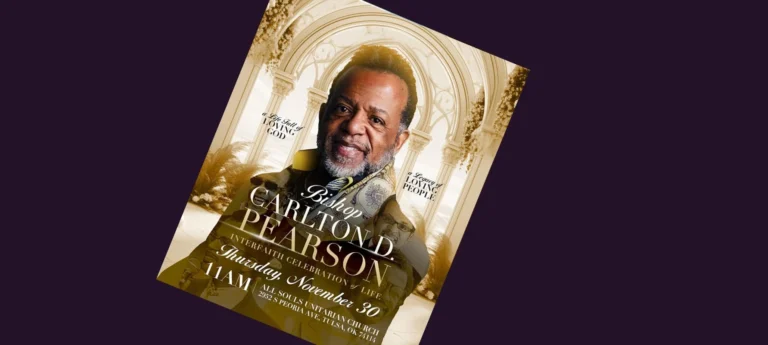
The book was written by author Carlton D. Pearson (1953-2023) from the heart of an experienced senior pastor with the spiritual and emotional well-being of thousands of church members. His tone in this book is much more subdued than his other, more fervent, authoritative books on warfare spirituality. In this book, his voice is a gentle and sensitive spiritual mentor. He takes a compassionate pen, drawing on his years of practice as a pastor counselor to heal the unspoken wounds that can silence one’s growth. He is a friend to a highly personal and occasionally difficult inward search.
The Core Thesis of Healing the Wounded You Within
Unpacking the Book’s Central Message on Inner Healing
The overall thesis of Healing the Wounded You Within is that emotional and psychological hurts from our past—typically suppressed in our unconscious—are still negatively affecting our lives today, and spiritual wholeness is only possible through a conscious, Christ-centered process of healing the inward hurts. The core message of Pearson is that salvation is not just a “get out of hell free” discount, but a full experience that includes the healing of the mind, will, and emotions. He believes that unresolved trauma creates spiritual and emotional roadblocks that make us miss out on enjoying God’s love and living in freedom. The book is a declaration that God is not only interested in your eternal destiny, but in your today emotional health.
Who is the Target Audience for this Book?
The target audience is broad but specific: any Christian who is “stuck.” It is for individuals who, despite their faith, continue to be weighed down with persistent bad habits like anger, fear, depression, insecurity, or relationship problems. It speaks to the person who feels that their current difficulties are the outcome of traumatic events in their history—abuse, rejection, or a dysfunctional family. It is for the person who has tried to “pray it away” but realizes that the inner wounds are still there and is looking for a richer, therapeutic spiritual experience.
A Synopsis of the Book’s Key Concepts
An Overview of the Healing Strategies Discussed
- Step 1: The Discovery. Pearson guides readers through self-examination of past traumas using reflection and checklists, identifying root memories of rejection or abuse as causes of current struggles.
- Step 2: The Encounter. Invites readers into sanctified imagination, re-entering painful memories but now with Jesus present to minister healing.
- Stage 3: The Healing. In the envisioned encounter, Jesus heals inward wounds by speaking truth, offering forgiveness, and infusing love, redeeming—rather than erasing—the memory.
- Stage 4: The Recovery. Focuses on practical recovery: breaking old habits, embracing positive thought patterns, and living out a renewed identity.
A Critical Review of the Book’s Approach
The approach of the book is profoundly pastoral and empathetic. Its strongest attribute is that it takes emotional pain seriously and verifies the existence of trauma in a spiritual manner. To many people who were told simply to “have more faith,” this book provided them with a long-awaited paradigm for authentically grieving and healing deep hurts. The “healing of memories” approach can be a spiritually potent experience for some, offering meaningful breakthroughs.
A criticism, however, would note the danger of over-spiritualization of serious mental illness. While Pearson’s tools may be supportive for everyday wounds, they should not be a substitute for professional clinical care in cases of trauma or chronic illness. The methods are best regarded as a spiritual supplement, not a replacement, for professional therapy.
The Educational Value of Healing the Wounded You Within
Use in Pastoral Care and Counseling Studies
For students of pastoral care and Christian counseling, the book is an excellent case study of the “inner healing” model. It is a concise, structured example of how this form of pastoral soul-care is practiced, and it can be compared with non-religious therapeutic methods. It’s also a meaningful historical source on one stream of the “therapeutic gospel” emphasizing emotional health as an aspect of faith.
Discussion Topics for Students and Reading Groups
- Theology and Psychology: Where does Pearson blend biblical doctrine with modern psychological concepts?
- Memory and Truth: How does the concept of redeeming a memory challenge our conception of truth?
- Limitations and Ethics: What ethical boundaries should guide pastoral counseling, and when should referral to professionals occur?
- Comparison to Later Theology: How do Pearson’s concentrated teachings on individual healing contrast with his later universal theology of inclusive grace?
Final Summary of Healing the Wounded You Within
Summary of Key Insights and Practical Takeaways
- Your Past Doesn’t Have to Define Your Present: Personal history does not dictate destiny.
- Emotional Health is a Spiritual Issue: A vital component of a full relationship with God.
- Jesus Cares About Your Memories: God’s presence can enter the deepest wounds for healing.
- Healing is a Process: It requires patience, honesty, and a gradual journey of growth.
Final Thoughts on the Book’s Redemptive Power
The redemptive strength of Healing the Wounded You Within lies in its encouraging and sustaining message. It offered believers a sacred place to grieve and a blueprint for renewal. Although rooted in Pearson’s orthodox era, its emphasis on healing the broken heart is timeless. The book is an important piece of his legacy, foreshadowing his later theological embrace of grace and universality by revealing his consistent pastoral desire to liberate people from pain.